What Does It Really Mean to Love Yourself?
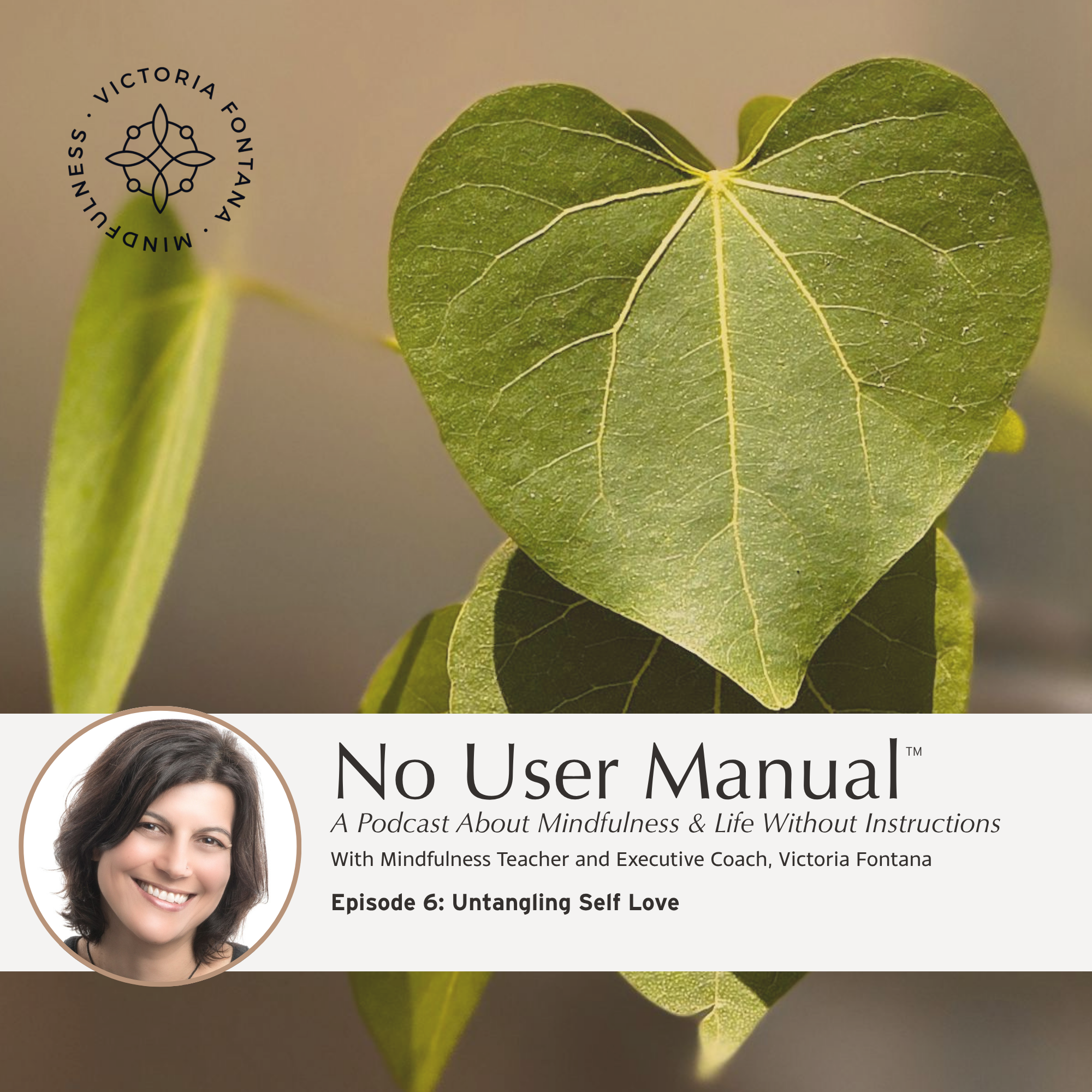
People often say, “You need to love yourself more.” But what does that actually mean?
You may recognize that you are hard on yourself, saying yes when you want to say no, overworking, seeking approval, or staying in situations that are not good for you. But seeing the pattern does not necessarily make it stop.
For me, it became more helpful to think of self-love less as a feeling and more as a way of relating to ourselves, especially when things are difficult.
What if some of these patterns are not evidence that something is wrong with us? What if they are trying, however imperfectly, to protect us from something that feels even harder, such as rejection, shame, conflict, disapproval, or losing connection with someone we care about?
In this episode, we explore:
Why “love yourself” can feel like such a vague and frustrating instruction, and why self-love may be less about producing a feeling than changing how we relate to ourselves.
What our people-pleasing, perfectionism, self-criticism, and difficulty setting boundaries may actually be doing.
How mindfulness and self-compassion can help us notice what is happening without turning it into another judgment about who we are.
Join me for a practical contemplation to help you examine a recent situation, uncover the fear or belief beneath your reaction, question the future your mind is predicting, and consider what it might mean to have your own back.
LISTEN
Do you have something you’d like untangled?
If there’s something your mind keeps returning to, you’re welcome to share—in the comments! We will do our best to include it.
Warmly,
Victoria
Read more about self-love in the blog…

Want to get started? Join the Self-Compassion Journey, an accessible self-guided program to work with the voice of the inner critic and treat yourself with more kindness and care:
Overcome self-criticism and the habit of being hard on yourself with The Self-Compassion Journey, a short guided experience that helps you develop a more supportive and compassionate inner relationship. Each day includes a brief teaching to understand patterns of self-judgment, along with a workbook to support reflection. The final session offers a guided practice that brings the learning together.